
Quarries And Aggregate Sites: Clear Communication Around Heavy Plant and Haul Routes
September 28, 2026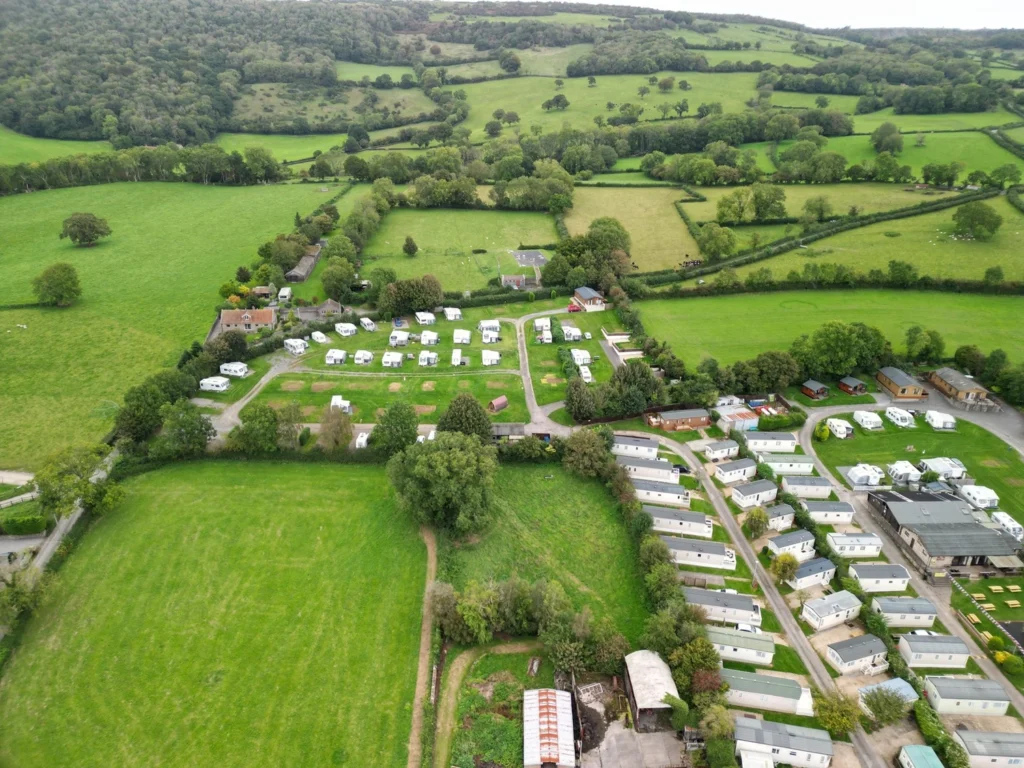
A holiday park can feel relaxed from the guest side. People arrive, find their pitch or accommodation, settle in and get on with their break.
Behind the scenes, the working day is much less predictable.
Reception may be dealing with arrivals while maintenance is fixing an issue at the other end of the park. Cleaning teams are preparing accommodation for the next guests. Grounds staff are moving between outdoor areas, and someone at the entrance may need an answer about access or directions.
On a larger caravan or holiday park, those small conversations happen constantly. Walkie talkies give teams a direct way to deal with them without relying on individual phone calls or leaving an area simply to find the right colleague.
Different Teams, One Working Day
Reception, cleaning, maintenance and grounds teams all have different jobs, but their work overlaps throughout the day.
A guest reports a problem at the front desk, but the person who can fix it is elsewhere. A cleaner finishes a unit earlier than expected and needs to let reception know. Grounds staff notice something that needs attention near a communal area. An arrival reaches the entrance and needs directions to the correct part of the park.
None of these requires a long conversation. What matters is getting the update to the right person while everyone carries on with the work already in front of them.
For many parks, our business walkie talkies provide a straightforward way to connect the teams who need regular contact throughout the day.
Where Small Delays Become Noticeable
Guests may never see the communication happening behind the scenes, but they notice when it is slow.
Typical situations might include:
- Reception needs maintenance to check an accommodation unit
- A cleaner needs to confirm that a lodge or mobile home is ready
- A barrier or access point needs attention
- A guest needs directions to the correct pitch or part of the park
- Grounds staff need another team member in a particular area
- Reception needs to know whether an early arrival’s accommodation is ready
- A delivery has reached the park and needs to be directed
Individually, these are small jobs. The delay comes when someone has to make several calls, leave their position or wait for a colleague to see a message.
A short radio call can often settle the question there and then.
Reception Needs a Direct Line to the Rest of the Park
Reception is often where information arrives first.
Guests report maintenance issues there. Deliveries ask where to go. New arrivals need directions. Cleaning and grounds teams may also need to pass information back to the front desk.
That makes reception a natural communication point, but staff should not have to spend the day phoning around the park to find someone.
With radios, they can contact the relevant team directly and get an answer while the guest is still at the desk. It means fewer unnecessary trips away from reception and a quicker response when something needs attention elsewhere.
Maintenance And Changeovers Need Fast Handover Messages
Maintenance rarely happens beside the office. A problem could involve a door, lighting, water, an access point or equipment in a shared area. The person dealing with it may already be working somewhere else when the next request comes through.
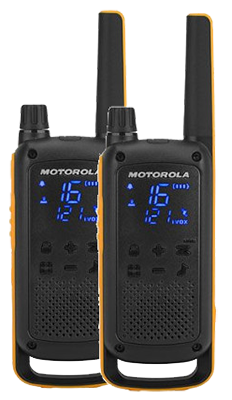
The Motorola XT420 is a licence free business radio with IP55 protection and clear audio, making it a practical option for teams moving between indoor and outdoor jobs.
Changeover periods create their own communication pressure. Cleaning staff may be preparing accommodation while reception is dealing with arrivals and checking what is ready. If something needs maintenance before the next guest can enter, another team becomes involved.
A cleaner can confirm that a unit is finished. If there is a problem, maintenance can be contacted straight away. Reception then knows whether the accommodation is ready without having to chase an update.
That small handover can make a noticeable difference on busy arrival days.
Outdoor Areas Change the Coverage Picture
Holiday and caravan parks can include pitches, accommodation blocks, roads, green areas, play spaces, service buildings and car parks spread across a sizeable property.
Someone working near the furthest pitches may be several minutes’ walk from reception. Grounds staff can also spend much of their day moving between different parts of the park.
The Kenwood PKT-300E is a compact, lightweight PMR446 handset designed for straightforward business communication, making it useful for teams that want something simple to carry during the working day.
Actual coverage still depends on the layout. Buildings, trees, changes in ground level and distance can all affect radio performance, so a quoted maximum range should never be the only factor when choosing equipment.
The important question is whether people can communicate reliably between the areas that genuinely need to stay connected.
Choosing A Setup the Team Can Manage
A larger park might want radios for reception, maintenance, cleaning, grounds and a supervisor. A smaller operation may only need a handful of units shared between key roles.
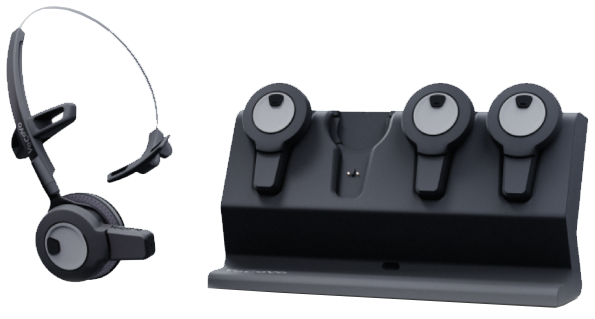
Where several handsets are needed, keeping them together can make charging and shift handovers much easier. The Kenwood TK-3501 Six Pack includes six radios and a six way charger, giving a team one set that can be issued and returned in the same place.
That does not mean every employee needs a handset.
Before choosing the setup, it helps to look at who actually needs regular contact. Which teams speak to reception most often? How many radios are required during the busiest shift? Do maintenance and grounds staff spend much of the day away from the main building? Would separate channels make sense for a larger operation?
Those practical questions are more useful than simply choosing radios based on the longest feature list.
Guest Areas Need Calm Communication
Radios may be used while staff are standing at reception, speaking to guests or working around shared facilities.
A channel full of long conversations quickly becomes distracting, so short and specific messages work best.
A few simple habits help:
- Use agreed names for different areas of the park
- Say who or which team you are calling first
- Keep routine messages brief
- Confirm when a job has been picked up
- Avoid sharing unnecessary guest information over the radio
- Keep general conversation off the working channel
The radio should make communication easier without becoming another source of background noise.
A Smoother Operation Behind the Guest Experience
Guests come to a holiday or caravan park to relax. Most will never think about how reception, cleaning, maintenance and grounds teams communicate with each other, and ideally they should not need to.
What they do notice is whether accommodation is ready, whether a problem is dealt with quickly and whether staff can answer a practical question without sending them from one person to another.
Walkie talkies help with the work behind those moments. Reception can reach maintenance directly, cleaners can confirm when accommodation is ready, and people working around the grounds can contact colleagues without leaving their area.
If you need help choosing radios for a holiday or caravan park, get in touch with your team size, park layout and the areas you need to cover. We can help you choose a setup that suits the way your park operates.