Recycling Centres and Civic Amenity Sites: Keeping Staff, Vehicles and Drop Off Areas Connected
August 18, 2026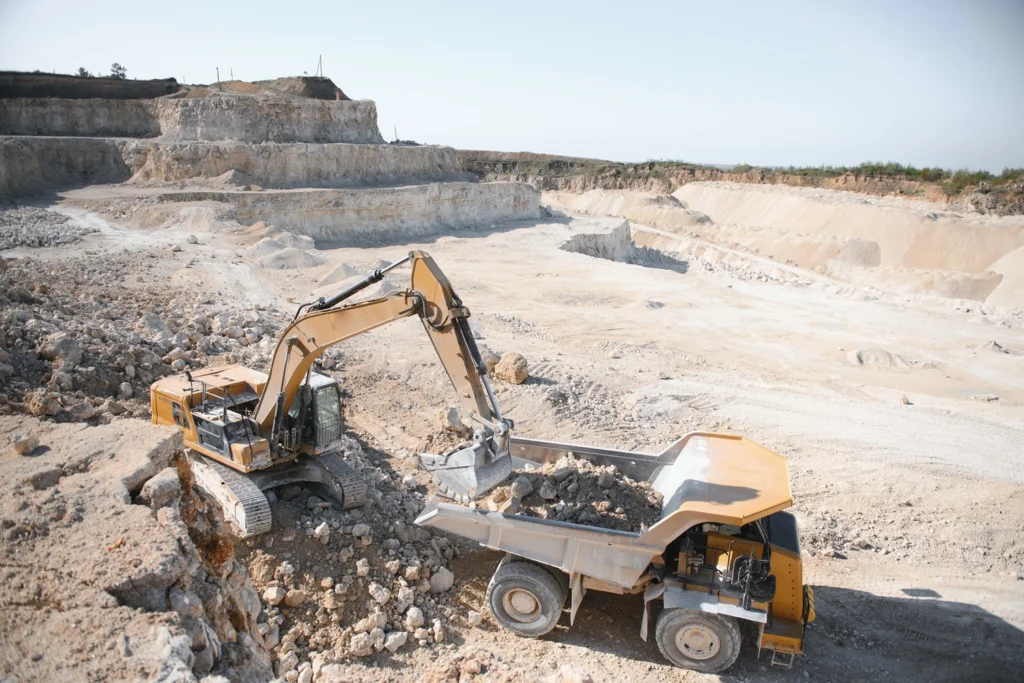
A quarry is constantly moving. Loaders are shifting material between stockpiles and processing areas. Lorries are arriving at the weighbridge. Haul routes need to stay clear, maintenance teams are dealing with plant, and supervisors are coordinating work across a site that can cover a considerable area.
Most of the communication involved is straightforward. A loader is needed somewhere else. A driver needs directions. A machine has developed a fault. The weighbridge needs confirmation before calling the next vehicle forward.
The challenge is getting that information to the person who can act on it straight away.
Walkie talkies give quarry and aggregate teams a direct way to handle those everyday updates without relying on repeated phone calls or people travelling across the site simply to pass on a message.
Where Small Delays Start to Add Up
A few minutes lost here and there can quickly affect the rest of the operation.
A loader waiting for instructions is not moving material. A vehicle sent to the wrong area may need to turn around. A supervisor looking for someone is pulled away from the next task. None of these is a major problem on its own, but they become disruptive when they happen repeatedly.
Typical radio calls might include:
- A loader is needed at another stockpile
- A driver needs directions from the weighbridge
- Maintenance is required at a piece of plant
- A vehicle needs to wait before entering a working area
- A load is ready and the next vehicle can be called forward
- A supervisor needs an update from another part of the site
The point is not to make these conversations more complicated. It is to make them quicker.
From The Weighbridge to the Yard
The weighbridge is often where several parts of the operation meet.
Vehicles are arriving and leaving, drivers need directions, loads need to be confirmed and staff may need to know whether a particular area is ready before sending another lorry through.
Without a direct line to the yard, a simple question can hold up the next movement.
With a radio, weighbridge staff can check with the relevant team without leaving their position. The yard can confirm where a vehicle should go, whether a loading point is ready or if the driver needs to wait.
It is a simple connection, but on a busy day it can prevent small hold ups from spreading further through the schedule.
Coordinating Plant, Drivers and Ground Teams
Heavy plant creates a very different communication environment from an office or warehouse.
Operators, drivers and ground teams may be spread across separate parts of the quarry, with machinery, processing equipment and vehicle movements all adding to the background noise.
That is why radio messages need to stay short and specific.
A supervisor might only need to change a priority, confirm a location or let a team know that another vehicle is approaching. A quick radio call can pass on that information without turning every update into a phone call.
Radio communication should always sit alongside the quarry’s traffic management arrangements, exclusion zones, site rules and safe systems of work. It supports those procedures rather than replacing them.
Equipment That Suits a Quarry Environment
Radios used around quarry and aggregate operations are likely to spend much of the day outdoors. They may be clipped to workwear, carried between vehicles and working areas, and exposed to dust, changing weather and regular handling.
That makes robust construction and clear audio important.
The Kenwood TK-3701DE is a licence free option that supports both analogue PMR446 and digital dPMR446 operation. Its IP54/IP55 rated design makes it a practical choice for professional teams that need a dependable handheld for regular outdoor use.
For sites that need several radios as one team set, our Motorola XT420 Construction Six Pack includes six XT420 radios, a six way charger, earpieces, holsters and spare batteries. Keeping a complete set together can make charging and shift handovers much easier than managing individual handsets separately.
Making Radios Easier to Use on the Ground
Not everyone needs to pick up the handset every time a message comes through.
For supervisors, ground staff and people moving regularly between work areas, a speaker microphone can make the radio easier to use while leaving the handset secured to clothing or a belt.
The Motorola remote speaker microphone works with radios including the XT420 and allows the user to receive and transmit from the microphone itself.
That can be useful where someone needs regular access to the radio without repeatedly handling the handset. As with any communication equipment used around machinery or vehicles, it should always be used in line with the site’s operating and safety procedures.
Coverage Depends on More Than Open Space
A quarry may be outdoors, but that does not mean radio coverage will automatically be straightforward.
Quarry faces, changes in ground level, processing equipment, buildings and the distance between working areas can all affect how a signal performs.
Licence free radios can work very well where the required distances suit them, but a larger quarry may have more demanding coverage needs. In those cases, a higher power licensed system may be better suited.
The important thing is not to choose equipment based on a maximum range figure alone. What matters is whether people can communicate reliably between the weighbridge, stockpiles, processing areas and the other locations where the radios will actually be used.
Clear Radio Calls Work Better
A useful radio channel should not become constant background noise.
People working around plant and vehicle movements need messages they can understand quickly, particularly when several jobs are happening at once.
A few simple habits make a noticeable difference:
- Use agreed names for stockpiles, loading areas and access points
- Say who or which area you are calling first
- Keep instructions brief
- Repeat important details when confirmation is needed
- Confirm when a request has been dealt with
- Keep unnecessary conversation off the working channel
When everyone follows the same approach, messages are easier to understand and the channel remains useful when it is genuinely needed.
Choosing The Setup Around the Team
The right number of radios depends on how the quarry operates, not simply how many people work there.
The weighbridge may need regular contact with the yard. Supervisors may need to speak across several working areas. Ground teams might only need communication with nearby colleagues, while maintenance staff could move between different parts of the operation.
Before choosing from our business walkie talkies, it helps to map those roles first.
Who needs to speak to whom? How many handsets will be in use during a normal shift? Which people move between areas? Which positions need regular contact with the weighbridge or supervisors?
Once those relationships are clear, it becomes much easier to choose radios that actually match the way the site works.
Communication That Moves with the Operation
Quarries and aggregate sites depend on people, vehicles and machinery working in the right sequence.
A radio does not replace traffic management, safe systems of work or proper site procedures. What it can do is remove many of the small communication gaps between them.
The weighbridge can reach the yard without leaving its position. Supervisors can update teams across the site. Maintenance can be called when equipment needs attention. Drivers can get clear directions without several people having to relay the same message.
For an operation where one delay can quickly affect the next job, that direct line between teams can make the working day noticeably easier to manage.
If you need help choosing walkie talkies for a quarry or aggregate site, get in touch with your team size, working areas and typical communication distances. We can help you find a setup that suits the way your site operates.